
Servings:
8
Preparation Time: 20 minutes
Cook Time: 45 minutes
Start to Finish Time:
25 minutes
DIFFICULTY: 1 – 5 – 3
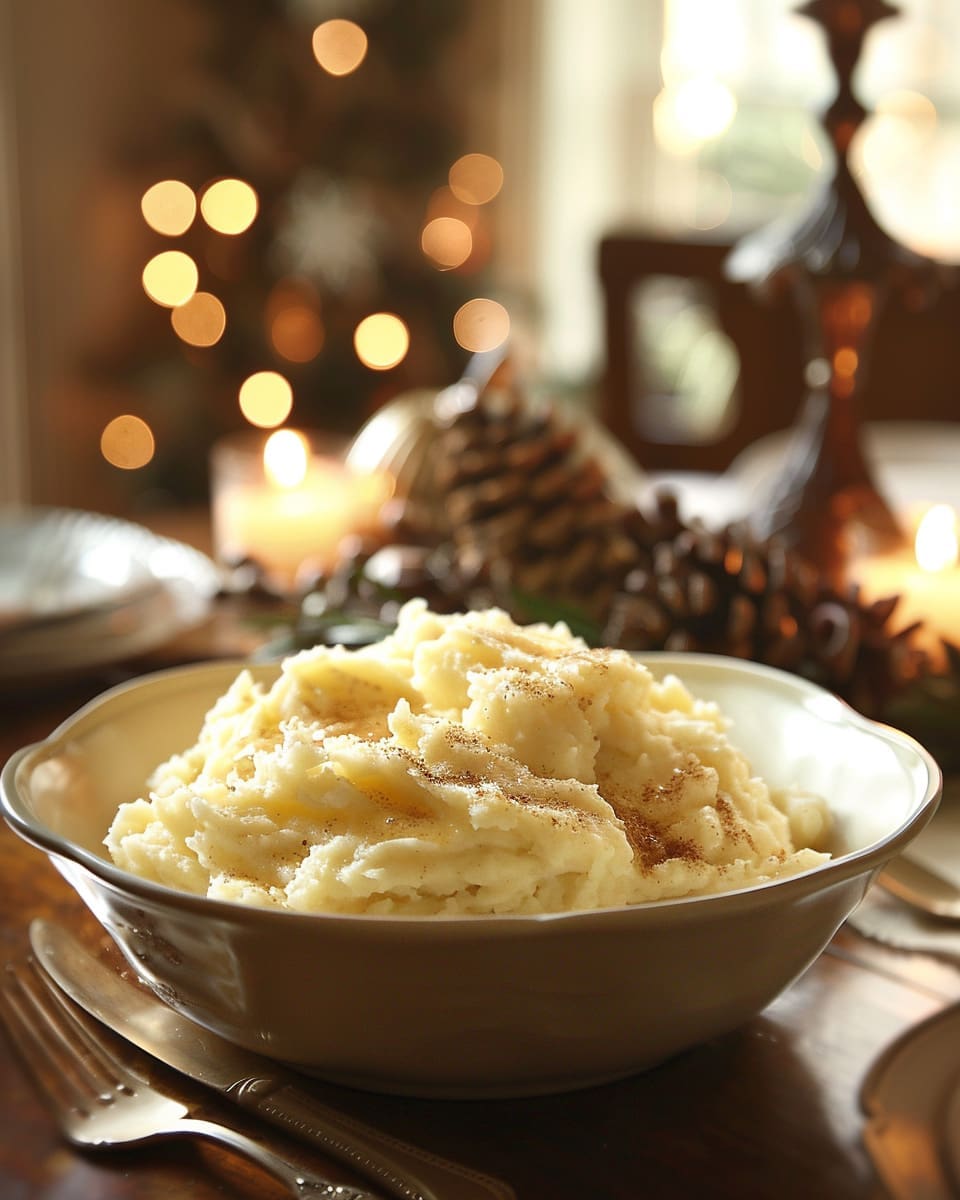
Brown Butter Cream Cheese Mashed Potatoes: The Side Dish That Steals the
Show
There are mashed potatoes, and then there are mashed potatoes
that make everyone at the table stop after the first bite and ask, “What did
you put in these?” Brown Butter Cream Cheese Mashed Potatoes fall firmly into
the second category. Rich without being overly heavy, incredibly creamy
without becoming gluey, and filled with layers of buttery, savory flavor,
these potatoes are designed to be much more than something sitting beside the
main course.
Why Brown Butter Makes Such a Difference
Traditional melted butter certainly makes good mashed potatoes,
but browning a portion of the butter adds another dimension entirely. As
butter cooks, its milk solids become golden and develop a warm, toasted,
almost nutty flavor. That subtle complexity works especially well with
potatoes because it deepens their flavor without overpowering them. The result
is still unmistakably classic mashed potatoes—just noticeably better.
The Secret Is Using Two Kinds of Potatoes
One of the
keys to the texture of these creamy mashed potatoes is combining Yukon Gold
and Russet potatoes. Yukon Golds bring naturally buttery flavor and a
wonderfully creamy consistency, while Russets contribute to the light, fluffy
quality people expect from exceptional mashed potatoes. Together, they create
a texture that neither variety produces quite as well on its own.
Cream Cheese and Sour Cream Are a Winning Combination
Cream cheese gives these potatoes richness, body, and an exceptionally
smooth mouthfeel. Sour cream contributes just enough tang to balance all that
richness. Used together, they create luxurious mashed potatoes without making
them taste overly cheesy or strongly of sour cream. The potato flavor still
remains front and center.
Heavy Cream Brings Everything Together
Warm heavy cream
provides the finishing touch, creating a silky consistency while maintaining
the potatoes’ structure. Adding the cream gradually is important because
potatoes can go from perfectly creamy to overly loose surprisingly quickly.
The goal is a soft, fluffy mound that holds its shape on the plate while
remaining exceptionally creamy with every forkful.
Dry Potatoes Make Better Mashed Potatoes
A small
technique can make an enormous difference. After boiling and draining the
potatoes, returning them briefly to the warm pot allows lingering moisture to
evaporate. Removing that excess water means the potatoes can absorb butter and
dairy instead, producing richer flavor and a noticeably better texture. It is
one of those simple restaurant-style mashed potato techniques worth using
every time.
For the Smoothest Texture, Skip the Mixer
An
electric mixer may seem like the easiest way to make smooth mashed potatoes,
but aggressive mixing can release too much starch and leave potatoes sticky or
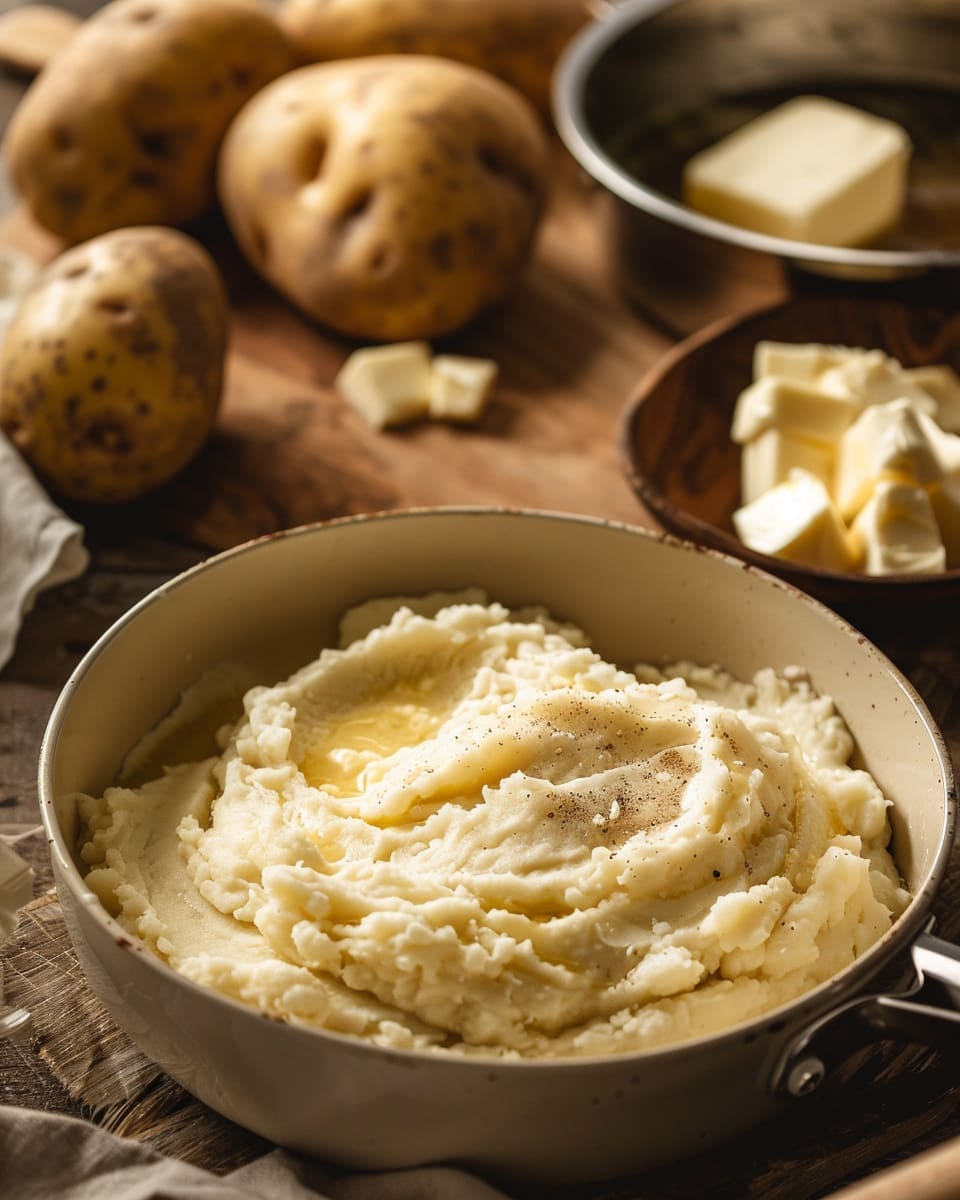
gummy. A potato ricer is ideal for exceptionally light, smooth mashed
potatoes, although a traditional potato masher also works beautifully. Gentle
handling is one of the secrets to achieving that fluffy, creamy texture.
A Little Savory Seasoning Goes a Long Way
Garlic
powder and onion powder quietly reinforce the savory flavor without turning
this into garlic mashed potatoes. Freshly ground black pepper adds warmth,
while careful seasoning with salt brings the butter, cream cheese, sour cream,
and potatoes together. An optional small amount of MSG can further enhance the
savory character without creating a recognizable flavor of its own.
Perfect Mashed Potatoes for Holidays and Special Dinners
These rich and creamy mashed potatoes are particularly well
suited for Thanksgiving, Christmas dinner, Easter, Sunday dinners, steak
dinners, roast chicken, pork, turkey, and other special occasions. They are
substantial enough to stand beside a holiday roast yet familiar enough to
please guests who simply want really great homemade mashed potatoes.
They Don’t Need Gravy—but They Certainly Welcome It
One of the signs of truly great, mashed potatoes are that they
taste complete before gravy ever reaches the plate. Brown Butter Cream Cheese
Mashed Potatoes have enough flavor to stand completely on their own. Of
course, their creamy texture also makes them an outstanding partner for turkey
gravy, beef gravy, chicken gravy, or pan juices.
Making Them Ahead
Mashed potatoes are always at
their absolute best shortly after they are prepared, but this recipe can be
made ahead when necessary. Keep the potatoes covered so the surface does not
dry out, then reheat them gently. A small splash of warm cream and a little
butter stirred in before serving can restore the creamy consistency they had
when freshly made.
Keeping Mashed Potatoes Warm Without Drying Them Out
When preparing a large holiday meal, timing every dish to finish
simultaneously can be challenging. These mashed potatoes can be held warm in a
covered heatproof bowl placed over barely simmering water. Gentle heat keeps
them warm without scorching the bottom. If they begin to tighten as they sit,
a splash of warm cream will loosen them again.
A Mashed Potato Worth Remembering
What makes Brown
Butter Cream Cheese Mashed Potatoes special isn’t one dominant ingredient. It
is the combination of fluffy Russets, buttery Yukon Golds, cream cheese, sour
cream, heavy cream, carefully browned butter, and a few subtle savory
seasonings working together. The result is a rich, velvety, deeply flavorful
mashed potato that still tastes exactly like what it should: an exceptional
version of one of America’s favorite comfort-food side dishes.
Ingredients:
2 lb Yukon Gold potatoes
1 lb Russet potatoes
8 tablespoons unsalted butter (divided)
5 oz cream cheese
1/2 cup sour crea
1/2 – 3/4 cup heavy cream, warmed
/2 teaspoon garlic powder
1/4 teaspoon onion powder
1/2 teaspoon black pepper
1/4 teaspoon MSG, optional but recommended
Kosher salt to taste
Instructions:
Peel the 2 pounds Yukon Gold potatoes and 1 pound Russet potatoes and
cut them into evenly sized chunks.
Place the potatoes in a large
pot and cover with cold water by about 1 inch. Season the water generously
with kosher salt.
Bring to a boil, then reduce to a steady simmer.
Cook for about 15–20 minutes, or until the potatoes are completely tender and
a knife slides easily through the center.
While the potatoes cook, place 3 tablespoons of the butter in a small saucepan
over medium heat. Cook until the butter foams, turns golden brown, and
develops a nutty aroma. Immediately remove from the heat so it does not
burn.
Warm 1/2 cup heavy cream in a separate small saucepan or microwave. Keep
additional cream available in case the potatoes need loosening.
Drain the potatoes thoroughly, then return them to the hot pot over low heat
for 1–2 minutes, gently tossing occasionally. This dries away excess moisture
and helps produce fluffier mashed potatoes.
Remove the pot from the heat. Pass the hot potatoes through a potato ricer for
the smoothest texture, or mash thoroughly with a potato masher. Avoid using an
electric mixer, which can make the potatoes gummy.
Add the remaining 5 tablespoons regular butter and 5 ounces softened cream
cheese to the hot potatoes. Gently fold until melted and incorporated.
Fold in 1/2 cup sour cream, 1/2 teaspoon garlic powder, 1/4 teaspoon onion
powder, 1/2 teaspoon freshly ground black pepper, and 1/4 teaspoon MSG, if
using.
Gradually fold in the warm heavy cream, beginning with 1/2
cup. Add more, a tablespoon or two at a time, only until the potatoes are
creamy, fluffy, and soft enough to mound gently on a spoon.
Fold
in the brown butter, making sure to include the flavorful browned milk solids
from the bottom of the pan.
Taste carefully and add kosher salt as needed. Potatoes often require more
salt than expected, so make the final adjustment only after all of the butter,
cream cheese, sour cream, and cream have been incorporated.
Serve
immediately, or keep warm in a covered bowl over barely simmering water. Just
before serving, gently stir the potatoes once and add a small splash of warm
cream if they have thickened.
